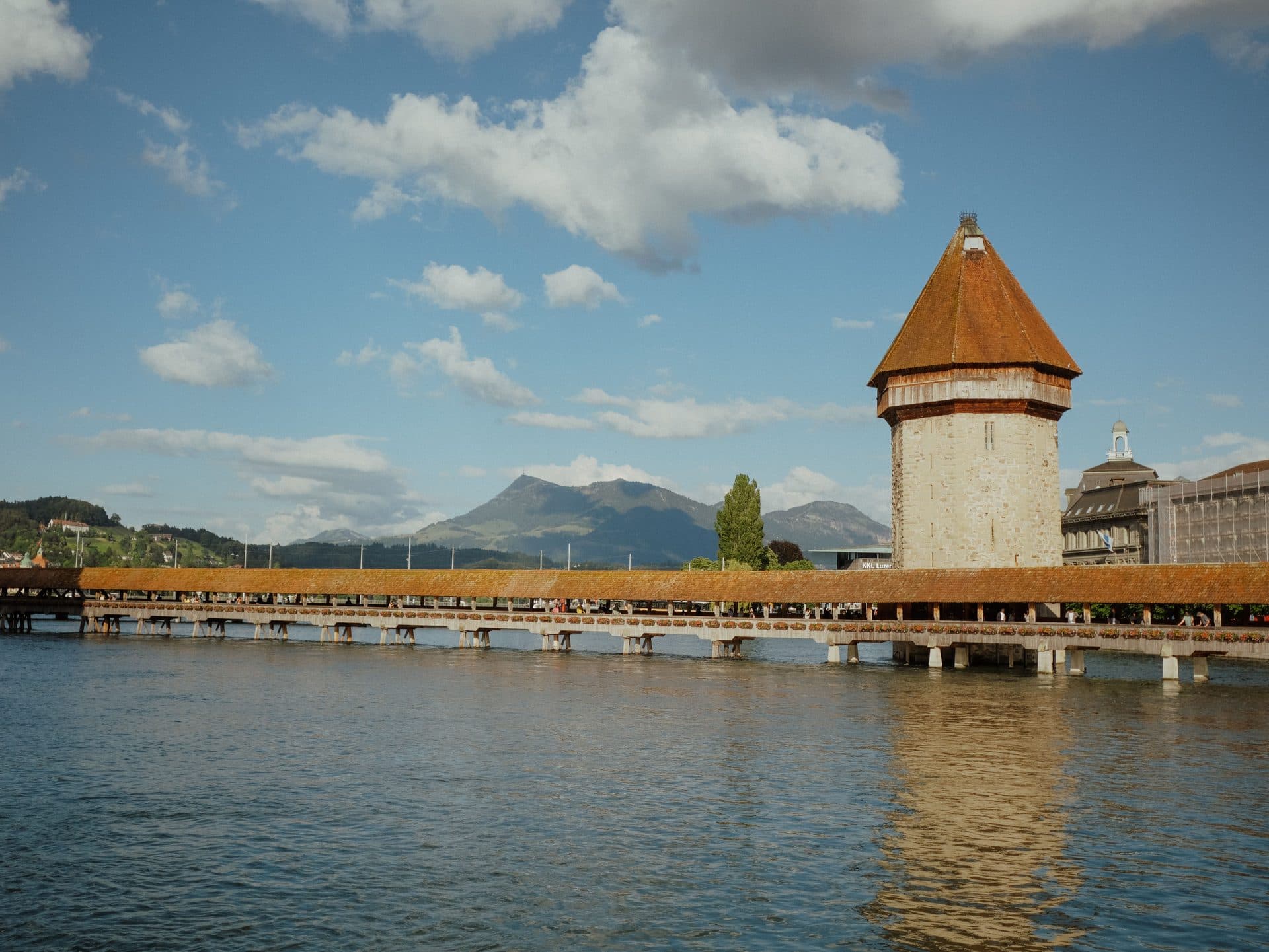
Switzerland (Lucerne)
Switzerland · Europe
The best time to visit Switzerland (Lucerne) is May, June, July, August, and September. In summer, daytime highs average 25°C (77°F), with peaks around 32°C (90°F); in winter, nights average -1°C (30°F), dropping to around -8°C (18°F) on the coldest. All climate data are based on historical monthly averages (2005–2025) to help you plan the optimal travel time.
Switzerland (Lucerne) – What you should know
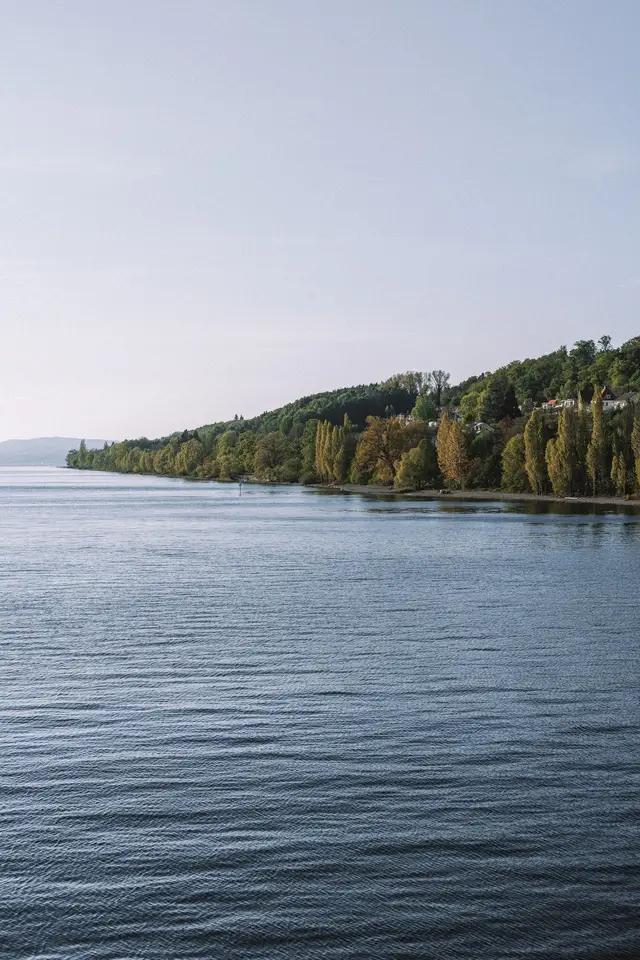
Lucerne sits on the northern edge of central Switzerland on Lake Lucerne, and that shapes the weather more than the postcard view of the Chapel Bridge and Water Tower suggests. Summers are mild: daytime highs around 24°C (75°F) in July, around 32°C (90°F) on the hottest days, and nights averaging 15°C (59°F). Anyone combining the city with a lake cruise, the promenade and an old-town stroll gets reliable conditions from June to August.
The rain stands out: just when everyone comes, May to August bring 130–160 mm (5.1–6.3 in) a month, the largest amounts of the year, on eleven to twelve days a month. These are mostly showers and thunderstorms that bank up against the Alpine foothills and often pass quickly. September is noticeably drier at 99 mm (3.9 in) and eight rain days, with daytime highs around 19°C (66°F) and fewer crowds in the old town.
Lucerne is above all a base: Pilatus and Rigi are reached by cogwheel railway or cable car, but the view is only worth it in clear conditions — check the morning forecast rather than the calendar. In winter the city, with daytime highs around 4°C (39°F) and only two to three hours of sunshine a day, often sits under low cloud while the mountains above bask in sun. Museums and cultural events make it a sound choice even then.
Climate Overview
| Jan | Feb | Mar | Apr | May | Jun | Jul | Aug | Sep | Oct | Nov | Dec | |
|---|---|---|---|---|---|---|---|---|---|---|---|---|
Ø day, range from coolest to warmest dayØ dayrange | 4° (39°)-3– (27–)12 (54) | 6° (43°)-2– (28–)14 (57) | 11° (52°)2– (36–)19 (66) | 15° (59°)5– (41–)23 (73) | 19° (66°)9– (48–)26 (79) | 23° (73°)14– (57–)31 (88) | 25° (77°)16– (61–)32 (90) | 24° (75°)14– (57–)30 (86) | 20° (68°)11– (52–)26 (79) | 15° (59°)7– (45–)21 (70) | 9° (48°)1– (34–)16 (61) | 5° (41°)-1– (30–)12 (54) |
Ø night, range from coldest to warmest nightØ nightrange | -1° (30°)-8– (18–)5 (41) | -1° (30°)-6– (21–)5 (41) | 2° (36°)-3– (27–)8 (46) | 6° (43°)-1– (30–)11 (52) | 10° (50°)2– (36–)15 (59) | 14° (57°)7– (45–)18 (64) | 15° (59°)9– (48–)18 (64) | 15° (59°)9– (48–)19 (66) | 12° (54°)6– (43–)16 (61) | 8° (46°)1– (34–)12 (54) | 3° (37°)-3– (27–)8 (46) | 0° (32°)-7– (19–)5 (41) |
☀️Sunshine | 3h UV 3 | 5h UV 4 | 7h UV 6 | 8h UV 7 | 7h UV 7 | 9h UV 8 | 9h UV 8 | 8h UV 7 | 7h UV 6 | 6h UV 5 | 3h UV 3 | 3h UV 2 |
🌧Rain Days | 8d63mm (2.5") | 7d54mm (2.1") | 8d67mm (2.6") | 8d78mm (3.1") | 12d138mm (5.4") | 12d130mm (5.1") | 12d148mm (5.8") | 11d158mm (6.2") | 8d99mm (3.9") | 8d76mm (3.0") | 8d65mm (2.5") | 9d80mm (3.2") |
Best travel timeØ = average · small figures = range: coolest–warmest day / coldest–warmest nightClimate data 2005–2025 · Source: ERA5 + station data
Travel Tips
April offers great weather in Switzerland (Lucerne) with fewer tourists and lower prices — ideal for those who want to avoid the peak season crowds.
The travel year in Switzerland (Lucerne)
December – February
Lucerne often sits under a blanket of fog or cloud while the sun shines on Pilatus and Rigi above. The old town grows quiet, and mulled wine and snowflakes give the Chapel Bridge its postcard light. In February the Fasnacht brings a brief burst of noise and confetti to the lanes.
March – May
Spring arrives in Lucerne in stages: the lakeside promenade fills week by week, the fruit trees along the shore blossom and the boats run more often. By April, with daytime highs of around 15°C (59°F), it finally feels properly pleasant — the summer crowds are still far off.
June – August
High season on Lake Lucerne: the Chapel Bridge is packed, the lido spots are taken and half the town sits by the water in the evening. Thunderstorms pass quickly and leave the air clear. In late summer the Lucerne Festival fills the concert halls with an international audience.
September – November
Autumn belongs to the photographers: morning mist over the lake, golden leaves on the slopes and clear views of the central Swiss peaks. The tour groups thin out and prices ease. In November darkness falls early and the city becomes a quiet place for museums and cafés again.
Events & Festivals
February
- Lucerne Carnival (Fasnacht)· variable (February/March, Schmutziger Donnerstag to Güdisdienstag)
Six days of carnival in the old town: it starts at 5 a.m. with the "Urknall" (big bang) on Schmutziger Donnerstag, and the highlights are the parades on Thursday and Güdismontag and the Monstercorso of the Guggenmusik bands on Tuesday evening.
August
- Lucerne Festival in Summer· mid-August to mid-September
One of Europe's major classical music festivals with more than 100 events, held mainly at the KKL concert hall on the lakefront. Accommodation books up early during these weeks.
Frequently Asked Questions
- When is the best time to visit Switzerland (Lucerne)?
- The best time to visit Switzerland (Lucerne) is May, June, July, August, and September. These months offer the most favourable combination of sunshine, temperatures, and low rainfall.
- How warm does it get in Switzerland (Lucerne)?
- In summer, daytime highs in Switzerland (Lucerne) average 25°C (77°F), with peaks around 32°C (90°F); in winter, nights average -1°C (30°F), dropping to around -8°C (18°F) on the coldest.
- How much rain does Switzerland (Lucerne) get?
- Switzerland (Lucerne) has a relatively even rainfall pattern with an average of 9 rain days per month. The driest months are January, February, and November.
Best Travel Time by Vacation Type
🏙️
City Trip
Pleasantly mild, not too hot
JunJulAug