Bahamas
Bahamas · North America
The best time to visit Bahamas is January, February, March, April, November, and December. In summer, daytime highs average 33°C (91°F), with peaks around 34°C (93°F); in winter, nights average 20°C (68°F), dropping to around 13°C (55°F) on the coldest. All climate data are based on historical monthly averages (2005–2025) to help you plan the optimal travel time.
Bahamas – What you should know
The Bahamas consist of around 700 islands, and the climate has two distinct halves. From November to April, daytime highs average between 26 and 29°C (79 and 84°F), rain falls on few days (40–45 mm (1.6–1.8 in) in February and March) and the sun shines 7 to 9 hours a day. Because the chain sits on the edge of the subtropics, cold fronts occasionally pass through in winter: the coldest nights then drop to around 13°C (55°F), and the sea in January is only about 24°C (75°F).
From June to September it turns tropical: daytime highs around 32–33°C (90–91°F), nights rarely below 26°C (79°F), water at 29–30°C (84–86°F) and roughly 10 to 12 rain days a month, mostly short, heavy showers. The hurricane season officially runs from June to November and peaks in August, September and October. Anyone travelling in those months should book flexibly and check that travel insurance covers storms.
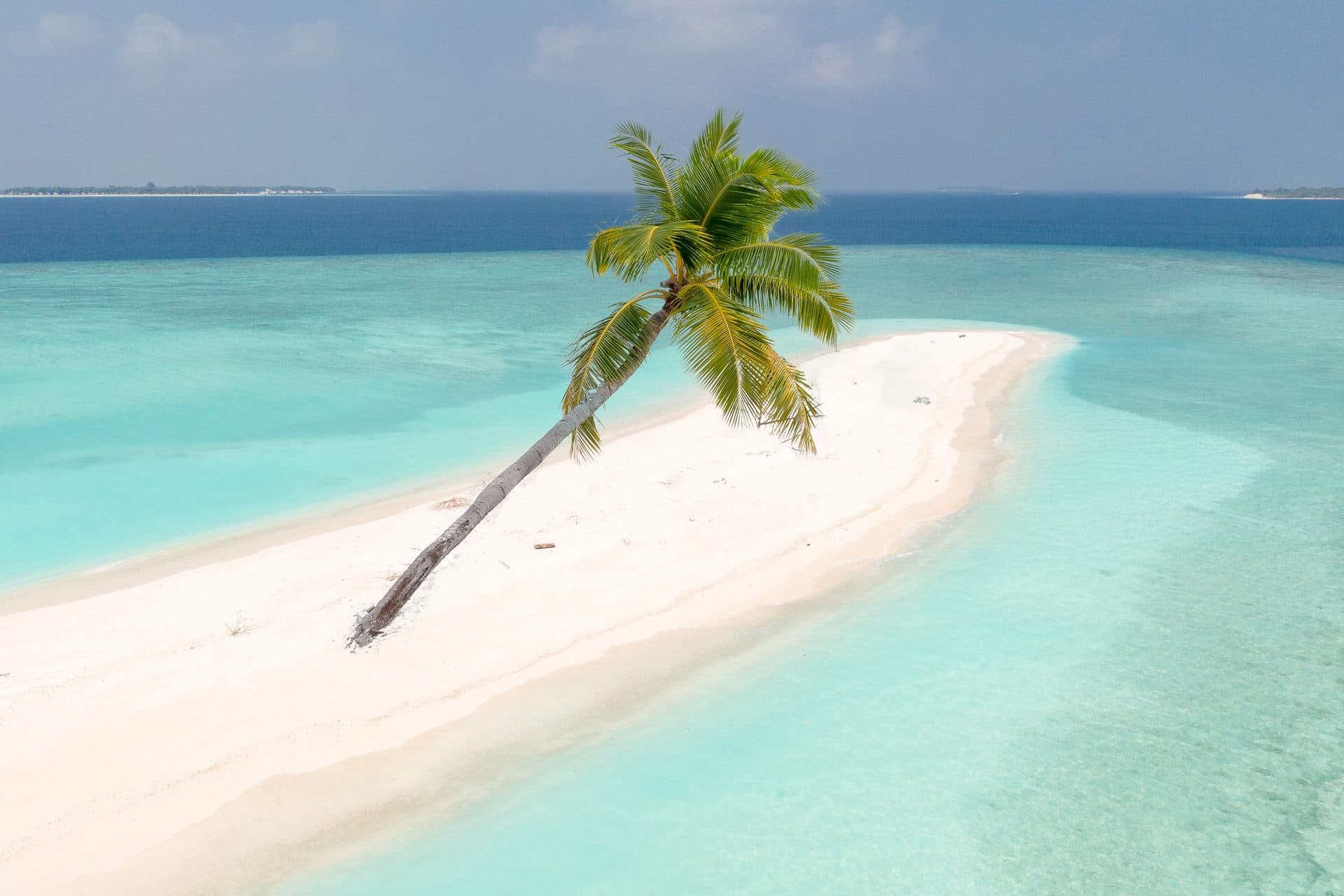
The islands themselves differ a great deal: Nassau and Paradise Island are the place for resorts, cruise ships and nightlife, the Exumas with their turquoise sandbanks are a sailing and boating destination, and Andros has the third-largest barrier reef in the world and good diving. Swimming and snorkelling work from April, with water at 25–26°C (77–79°F), and it turns properly bath-warm from May. April and November are the strongest shoulder months: hot enough for the beach, but before the wet season or at the tail end of the storm season, when the risk is already low.
Climate Overview
| Jan | Feb | Mar | Apr | May | Jun | Jul | Aug | Sep | Oct | Nov | Dec | |
|---|---|---|---|---|---|---|---|---|---|---|---|---|
Ø day, range from coolest to warmest dayØ dayrange | 26° (79°)21– (70–)29 (84) | 27° (81°)22– (72–)30 (86) | 28° (82°)23– (73–)31 (88) | 29° (84°)25– (77–)32 (90) | 30° (86°)26– (79–)33 (91) | 32° (90°)28– (82–)34 (93) | 33° (91°)30– (86–)34 (93) | 33° (91°)29– (84–)34 (93) | 33° (91°)28– (82–)34 (93) | 31° (88°)27– (81–)33 (91) | 29° (84°)25– (77–)31 (88) | 27° (81°)22– (72–)30 (86) |
Ø night, range from coldest to warmest nightØ nightrange | 20° (68°)13– (55–)23 (73) | 20° (68°)13– (55–)24 (75) | 21° (70°)14– (57–)24 (75) | 22° (72°)17– (63–)25 (77) | 24° (75°)19– (66–)26 (79) | 26° (79°)22– (72–)28 (82) | 27° (81°)23– (73–)28 (82) | 27° (81°)23– (73–)28 (82) | 26° (79°)23– (73–)28 (82) | 25° (77°)21– (70–)27 (81) | 23° (73°)17– (63–)25 (77) | 21° (70°)15– (59–)24 (75) |
☀️Sunshine | 7h UV 7 | 9h UV 8 | 9h UV 9 | 10h UV 9 | 10h UV 9 | 9h UV 9 | 10h UV 9 | 9h UV 9 | 8h UV 9 | 8h UV 8 | 8h UV 7 | 7h UV 5 |
🌊Water Temp | 24° (75°) | 24° (75°) | 25° (77°) | 26° (79°) | 28° (82°) | 30° (86°) | 30° (86°) | 31° (88°) | 30° (86°) | 29° (84°) | 27° (81°) | 25° (77°) |
🌧Rain Days | 3d47mm (1.9") | 3d40mm (1.6") | 2d44mm (1.7") | 4d75mm (2.9") | 7d143mm (5.6") | 11d192mm (7.6") | 10d164mm (6.5") | 12d182mm (7.2") | 12d199mm (7.8") | 9d160mm (6.3") | 6d92mm (3.6") | 4d51mm (2.0") |
Best travel timeØ = average · small figures = range: coolest–warmest day / coldest–warmest nightClimate data 2005–2025 · Source: ERA5 + station data
Travel Tips
From March to September, UV levels in Bahamas reach 9 — very high on the WHO scale. High-SPF sunscreen and shade around midday are essential.
May offers great weather in Bahamas with fewer tourists and lower prices — ideal for those who want to avoid the peak season crowds.
The travel year in Bahamas
December – March
High season across the islands: days are dry and mild, with highs around 27°C (81°F) and plenty of sun, though the sea is still on the fresh side. Beach days alternate with boat trips to the Exumas, and hotels and cruise piers in Nassau are well filled. After a cold front the evenings can turn noticeably cool.
April – May
The water turns bath-warm and the crowds thin out. April still brings dry weather and around nine hours of sun a day, while May announces the first heavy showers. A good moment for snorkelling and sailing before the wet season sets in.
June – September
Tropical summer mugginess: it is hot and humid, with water around 30°C (86°F), and a short, heavy shower rolls through every second day or so. Hotels are emptier and cheaper, but the hurricane season is heading towards its peak. Anyone travelling now plans flexibly and keeps a close eye on the forecasts.
October – November
October is still storm season, with plenty of rain and muggy days. In November the weather settles noticeably, the air clears and the hotels fill up again. The sea holds its summer warmth a while longer and invites a swim.
Events & Festivals
July
- Independence Day· 10 July (celebrations start the evening before)
The Bahamas celebrate their 1973 independence. On the evening of 9 July, Clifford Park in Nassau hosts a church service, concert, military tattoo and fireworks running into the first hours of the holiday.
December
- Junkanoo· 26 December and 1 January (from the early hours)
The national festival of the Bahamas: groups of up to 1,000 members parade along Bay Street in Nassau in handmade costumes to goatskin drums, cowbells and whistles. The parades start after midnight and run into the morning.
Frequently Asked Questions
- When is the best time to visit Bahamas?
- The best time to visit Bahamas is January, February, March, April, November, and December. These months offer the most favourable combination of sunshine, temperatures, and low rainfall.
- How warm does it get in Bahamas?
- In summer, daytime highs in Bahamas average 33°C (91°F), with peaks around 34°C (93°F); in winter, nights average 20°C (68°F), dropping to around 13°C (55°F) on the coldest.
- How much rain does Bahamas get?
- Bahamas has a relatively even rainfall pattern with an average of 7 rain days per month. The driest months are January, February, and March.
- How warm is the water in Bahamas?
- Water temperature in Bahamas ranges from 24°C (75°F) (January) to 31°C (88°F) (August). During the best travel months (January, February, March, April, November, and December), the water is most pleasant for swimming.
Best Travel Time by Vacation Type
🏖️
Beach Holiday
Warm, sunny, little rain
MarAprMay
🏙️
City Trip
Pleasantly mild, not too hot
JanFebMar