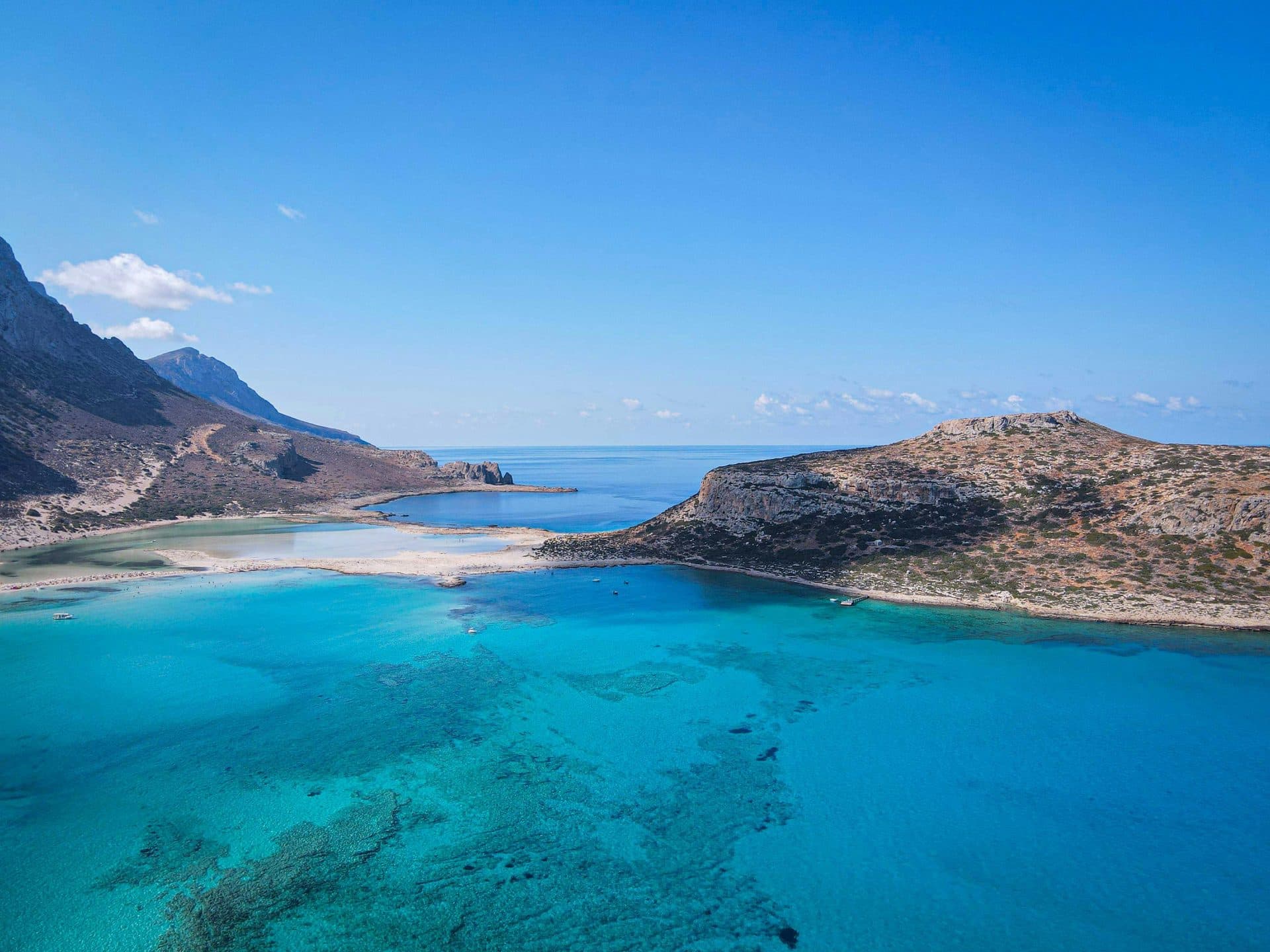
Crete
Greece · Europe
The best time to visit Crete is May, June, July, August, September, and October. In summer, daytime highs average 30°C (86°F), with peaks around 32°C (90°F); in winter, nights average 10°C (50°F), dropping to around 4°C (39°F) on the coldest. During the best travel months, the sun shines up to 11 hours per day — ideal for beach and outdoor activities.
Crete – What you should know
Crete is the southernmost and largest Greek island — and climatically the most reliable. Thanks to its position in the eastern Mediterranean, it receives almost uninterrupted sunshine in summer with very low rainfall. In midsummer, average high temperatures on the coast typically reach 31°C (88°F); in the interior, higher values can occur on hot days, which is why sightseeing is best done in the early morning or late evening hours.
The mountains of the interior — above all the Lefka Ori with peaks over 2,400 metres (7,874 ft) — create an interesting local climate. In winter it snows at higher elevations, while pleasant temperatures of 15–17°C (59–63°F) prevail on the coast. Hikers find ideal conditions in April and May: the gorges carry water, the vegetation is lush and green, and the heat is still manageable.
Autumn travellers benefit from one of the longest swimming seasons in Europe: the sea remains typically around 24°C (75°F) well into October, and the tourist crowds thin out considerably after the summer holidays end. September and October are regarded by connoisseurs as Crete's secret best travel season.
Climate Overview
| Jan | Feb | Mar | Apr | May | Jun | Jul | Aug | Sep | Oct | Nov | Dec | |
|---|---|---|---|---|---|---|---|---|---|---|---|---|
Ø day, range from coolest to warmest dayØ dayrange | 16° (61°)9– (48–)20 (68) | 16° (61°)10– (50–)22 (72) | 18° (64°)13– (55–)24 (75) | 21° (70°)16– (61–)28 (82) | 24° (75°)19– (66–)34 (93) | 28° (82°)24– (75–)34 (93) | 30° (86°)27– (81–)33 (91) | 30° (86°)27– (81–)32 (90) | 28° (82°)23– (73–)33 (91) | 24° (75°)19– (66–)30 (86) | 21° (70°)16– (61–)26 (79) | 18° (64°)11– (52–)23 (73) |
Ø night, range from coldest to warmest nightØ nightrange | 10° (50°)4– (39–)14 (57) | 10° (50°)5– (41–)14 (57) | 11° (52°)6– (43–)15 (59) | 13° (55°)9– (48–)19 (66) | 16° (61°)12– (54–)21 (70) | 21° (70°)15– (59–)25 (77) | 24° (75°)20– (68–)26 (79) | 24° (75°)20– (68–)27 (81) | 21° (70°)17– (63–)25 (77) | 18° (64°)13– (55–)22 (72) | 15° (59°)10– (50–)19 (66) | 12° (54°)6– (43–)17 (63) |
☀️Sunshine | 6h | 7h | 9h | 10h | 11h | 13h | 13h | 12h | 10h | 8h | 7h | 5h |
🌊Water Temp | 17° (63°) | 16° (61°) | 16° (61°) | 18° (64°) | 21° (70°) | 24° (75°) | 26° (79°) | 27° (81°) | 27° (81°) | 24° (75°) | 21° (70°) | 19° (66°) |
🌧Rain Days | 9d93mm (3.7") | 7d73mm (2.9") | 4d38mm (1.5") | 2d21mm (0.8") | 2d21mm (0.8") | 0d4mm (0.2") | 0d0mm (<0.1") | 0d2mm (0.1") | 1d12mm (0.5") | 4d58mm (2.3") | 4d50mm (2.0") | 7d82mm (3.2") |
Best travel timeØ = average · small figures = range: coolest–warmest day / coldest–warmest nightClimate data 2005–2025 · Source: ERA5 + station data
Travel Tips
April offers great weather in Crete with fewer tourists and lower prices — ideal for those who want to avoid the peak season crowds.
The travel year in Crete
December – March
Crete in late winter: the Psiloritis mountains still carry snow, the olive harvest is over and the beach belongs to the fishermen. For hikers on the E4 long-distance trail — the Samaria Gorge is still closed — this is the most undisturbed time.
April – June
Wildflowers and hiking: in April the Cretan interior is a carpet of orchids, anemones and poppies. The Samaria Gorge opens in May. The sea slowly warms up, and Knossos and Heraklion can still be explored without battling the heat.
July – September
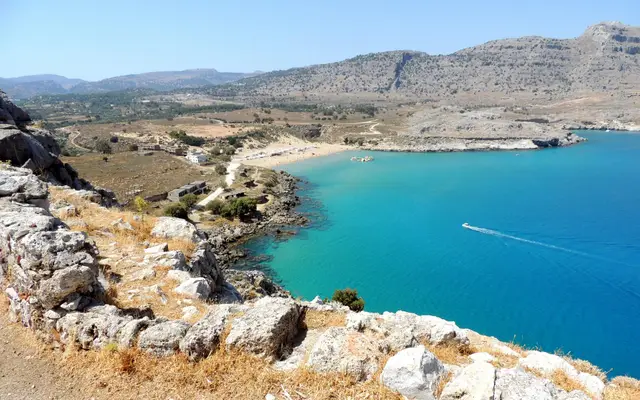
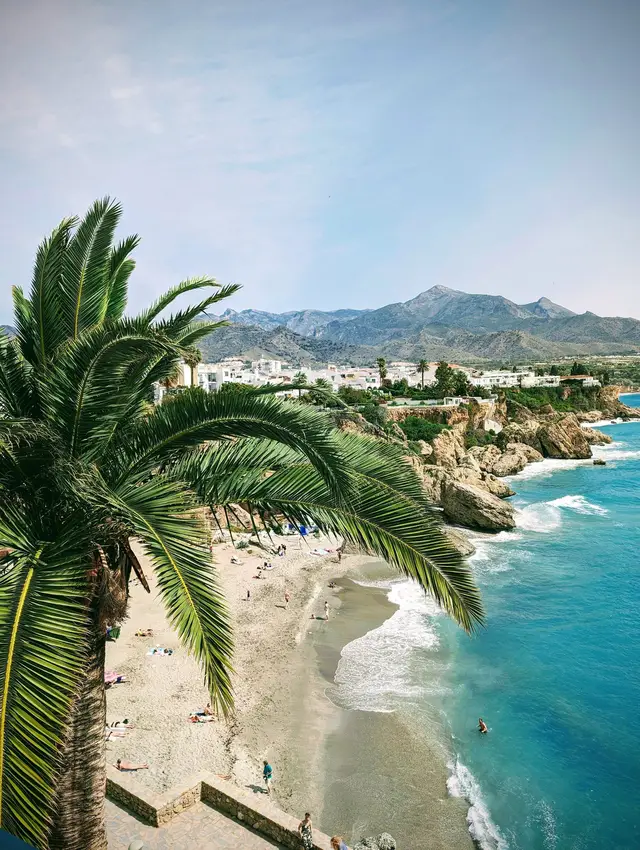
Beach season in full form: Elafonisi with its pink sand and Vai with its palm forest show their most famous face — and are at their busiest. Getting up early pays off: the best spots and photos happen before 9 am.
October – November
Off-season insider tip: the water is now warmer than in June, the beaches almost empty, and mountain villages like Archanes and Vamos have time for their guests again. The olive harvest begins.
Events & Festivals
July
- Heraklion Summer Festival· July to September
More than 130 events on open-air stages in the historic centre of Heraklion: concerts, theatre and dance performances at the "Nikos Kazantzakis" open-air theatre and the historic Bethlehem Gate.
Frequently Asked Questions
- When is the best time to visit Crete?
- The best time to visit Crete is May, June, July, August, September, and October. These months offer the most favourable combination of sunshine, temperatures, and low rainfall.
- How warm does it get in Crete?
- In summer, daytime highs in Crete average 30°C (86°F), with peaks around 32°C (90°F); in winter, nights average 10°C (50°F), dropping to around 4°C (39°F) on the coldest.
- How much rain does Crete get?
- Crete has a relatively even rainfall pattern with an average of 3 rain days per month. The driest months are June, July, and August.
- How warm is the water in Crete?
- Water temperature in Crete ranges from 16°C (61°F) (February) to 27°C (81°F) (August). During the best travel months (May, June, July, August, September, and October), the water is most pleasant for swimming.
Best Travel Time by Vacation Type
🏖️
Beach Holiday
Warm, sunny, little rain
JunJulAug
🏙️
City Trip
Pleasantly mild, not too hot
AprMayOct