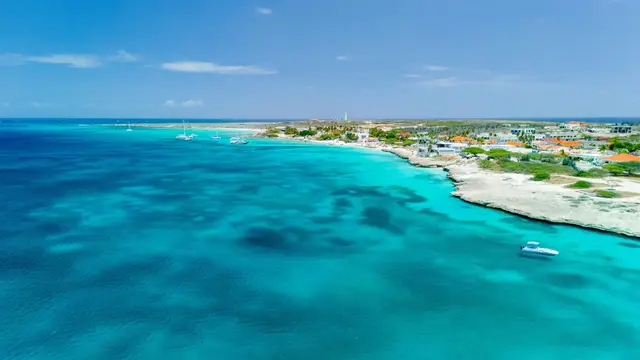
Mexico (Yucatán)
Mexico · North America
The best time to visit Mexico (Yucatán) is January, February, March, April, November, and December. In summer, daytime highs average 37°C (99°F), with peaks around 40°C (104°F); in winter, nights average 19°C (66°F), dropping to around 11°C (52°F) on the coldest. All climate data are based on historical monthly averages (2005–2025) to help you plan the optimal travel time.
Mexico (Yucatán) – What you should know
The Yucatán Peninsula is flat, dry inland and threaded with limestone caves that can be reached as cenotes. The climate has two seasons: the dry season from November to April brings 25 to 65 mm (1.0 to 2.6 in) of rain a month across two to five days, the rainy season from June to October 150 to 230 mm (5.9 to 9.1 in) across eight to twelve days. June is the wettest month at 229 mm (9.0 in) on average. The sea stays warm all year, from about 24°C (75°F) in January to almost 30°C (86°F) in September.
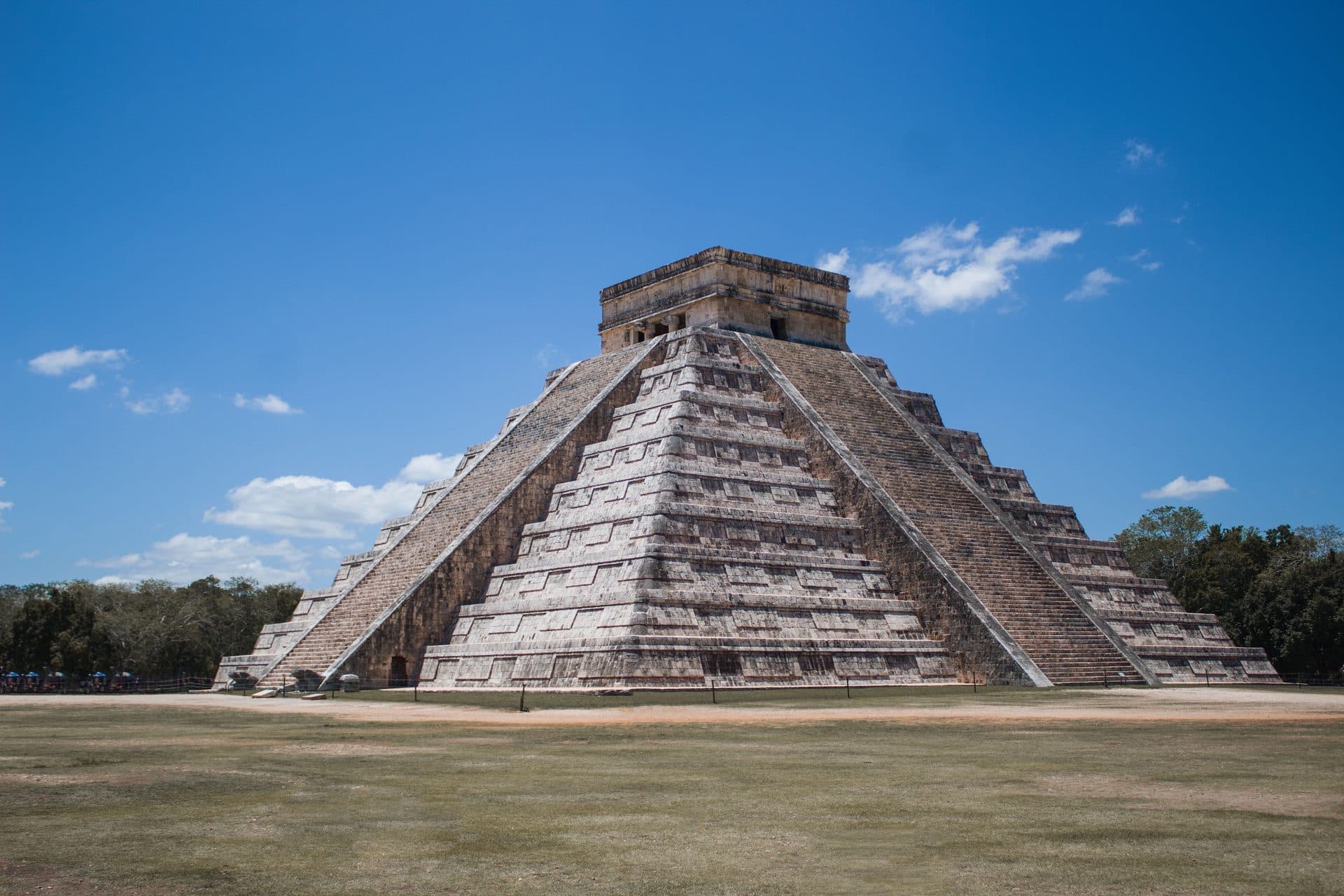
For visiting Chichén Itzá, Uxmal or Tulum, December to February are the most pleasant, with daytime highs around 29 to 31°C (84 to 88°F) and cooler nights, in January sometimes 11°C (52°F) on the coldest nights. March and April are dry and sunny, but April is already hot: daytime highs around 36°C (97°F), just under 40°C (104°F) on the hottest days, and there is hardly any shade among the ruins. May, at 36°C (97°F) on average, is the hottest month before the rainy season sets in.
The hurricane season runs from June to November, peaking from August to October, and hits the Caribbean side of the peninsula more often than the Gulf coast. Even so, 8 to 9 hours of sunshine a day are usual in summer, and the rain often comes as afternoon showers. Between June and September whale sharks also move into the waters off Isla Holbox and Isla Mujeres, a swimming experience limited to those months. The sargassum seaweed can change the look of the Caribbean beaches in spring and summer.
Climate Overview
| Jan | Feb | Mar | Apr | May | Jun | Jul | Aug | Sep | Oct | Nov | Dec | |
|---|---|---|---|---|---|---|---|---|---|---|---|---|
Ø day, range from coolest to warmest dayØ dayrange | 30° (86°)23– (73–)33 (91) | 32° (90°)23– (73–)36 (97) | 34° (93°)26– (79–)38 (100) | 36° (97°)27– (81–)40 (104) | 37° (99°)30– (86–)40 (104) | 35° (95°)28– (82–)38 (100) | 35° (95°)31– (88–)37 (99) | 35° (95°)30– (86–)37 (99) | 34° (93°)30– (86–)36 (97) | 32° (90°)28– (82–)35 (95) | 31° (88°)26– (79–)33 (91) | 30° (86°)24– (75–)34 (93) |
Ø night, range from coldest to warmest nightØ nightrange | 19° (66°)11– (52–)23 (73) | 20° (68°)12– (54–)23 (73) | 21° (70°)15– (59–)24 (75) | 23° (73°)16– (61–)26 (79) | 24° (75°)20– (68–)26 (79) | 25° (77°)22– (72–)26 (79) | 24° (75°)22– (72–)25 (77) | 24° (75°)22– (72–)26 (79) | 24° (75°)22– (72–)25 (77) | 23° (73°)17– (63–)25 (77) | 21° (70°)14– (57–)24 (75) | 20° (68°)13– (55–)23 (73) |
☀️Sunshine | 7h UV 6 | 8h UV 8 | 9h UV 9 | 10h UV 9 | 10h UV 9 | 8h UV 9 | 10h UV 9 | 9h UV 9 | 8h UV 9 | 7h UV 8 | 7h UV 7 | 7h UV 6 |
🌊Water Temp | 24° (75°) | 25° (77°) | 26° (79°) | 27° (81°) | 28° (82°) | 29° (84°) | 30° (86°) | 30° (86°) | 30° (86°) | 29° (84°) | 27° (81°) | 25° (77°) |
🌧Rain Days | 3d43mm (1.7") | 2d40mm (1.6") | 2d25mm (1.0") | 2d38mm (1.5") | 4d87mm (3.4") | 12d229mm (9.0") | 10d151mm (6.0") | 12d192mm (7.5") | 12d213mm (8.4") | 8d163mm (6.4") | 5d66mm (2.6") | 3d36mm (1.4") |
Best travel timeØ = average · small figures = range: coolest–warmest day / coldest–warmest nightClimate data 2005–2025 · Source: ERA5 + station data
Travel Tips
In April, May, June, July, and August, temperatures can exceed 34°C (93°F) — during physical activity or with children, it's best to stick to morning and evening hours.
From March to September, UV levels in Mexico (Yucatán) reach 9 — very high on the WHO scale. High-SPF sunscreen and shade around midday are essential.
May offers great weather in Mexico (Yucatán) with fewer tourists and lower prices — ideal for those who want to avoid the peak season crowds.
The travel year in Mexico (Yucatán)
November – February
Pleasant days for what people come here for: Maya ruins, cenotes and colonial towns such as Mérida and Valladolid. The heat is bearable, nights are fresh, and the Caribbean is warm enough for swimming. No wonder this is the main season, with cenotes and ruins busy accordingly.
March – May
Dry, sunny and hot, with the sea as the only real relief. Ruins are best visited at dawn, and the midday hours belong to the pool or a cenote. In spring, sargassum seaweed can change the look of Caribbean beaches, while the Gulf side often stays clearer.
June – October
A green rainy season with afternoon downpours and plenty of sun in between. Temperatures stay high and the air is humid, but beaches and ruins are quieter and prices lower. Between June and September whale sharks gather off Isla Holbox and Isla Mujeres; the hurricane season is worth factoring into any booking.
Events & Festivals
January
- Mérida Fest· first half of January
For Mérida's founding day on 6 January, around two weeks of free concerts, dance and theatre take place on the Plaza Grande and in the old town.
March
- Equinox at Chichén Itzá· around 20–21 March
In the late afternoon, light and shadow draw a serpent onto the north staircase of the Kukulcán pyramid. Tens of thousands come to watch; the spectacle repeats in September.
July
- Whale shark season· June to mid-September
Whale sharks gather off Isla Holbox and Isla Mujeres, where licensed boat tours let you snorkel alongside them; the peak is July and August.
November
- Hanal Pixán and Festival de las Ánimas· late October to 2 November
Yucatán's version of the Day of the Dead: Mérida sets up altars on the Plaza Grande and holds the Paseo de las Ánimas on 31 October and a Catrina parade.
Frequently Asked Questions
- When is the best time to visit Mexico (Yucatán)?
- The best time to visit Mexico (Yucatán) is January, February, March, April, November, and December. These months offer the most favourable combination of sunshine, temperatures, and low rainfall.
- How warm does it get in Mexico (Yucatán)?
- In summer, daytime highs in Mexico (Yucatán) average 37°C (99°F), with peaks around 40°C (104°F); in winter, nights average 19°C (66°F), dropping to around 11°C (52°F) on the coldest.
- How much rain does Mexico (Yucatán) get?
- Mexico (Yucatán) has a relatively even rainfall pattern with an average of 6 rain days per month. The driest months are March, April, and December.
- How warm is the water in Mexico (Yucatán)?
- Water temperature in Mexico (Yucatán) ranges from 24°C (75°F) (January) to 30°C (86°F) (September). During the best travel months (January, February, March, April, November, and December), the water is most pleasant for swimming.
Best Travel Time by Vacation Type
🏖️
Beach Holiday
Warm, sunny, little rain
JanFebDec
🏙️
City Trip
Pleasantly mild, not too hot
JanNovDec